
Outdoor LED Replacement: Upgrade Exterior Lighting the Right Way
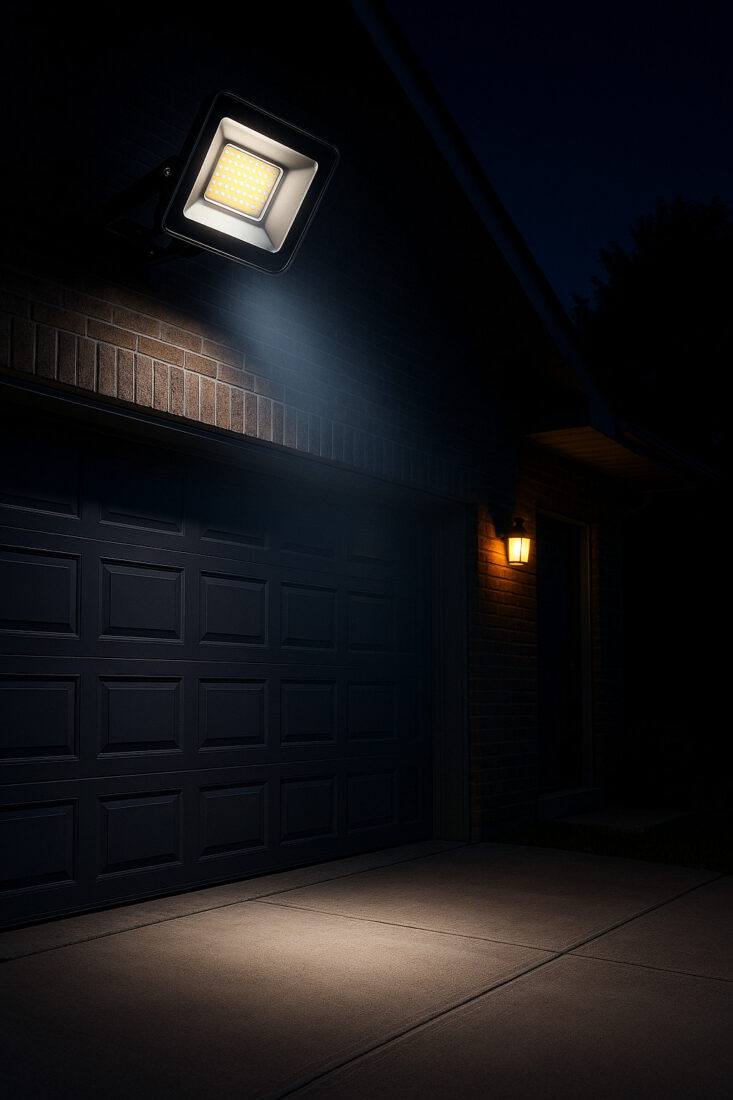
Outdoor lighting does more than add curb appeal. It keeps pathways safe, deters intruders, and makes your home more usable after dark. If you’re still relying on outdated incandescent or halogen bulbs outside, you’re missing out on energy savings and better light quality. LEDs offer a long-lasting, efficient solution, but not every bulb is right for outdoor conditions. This guide covers what to look for in an outdoor LED replacement so you get performance and reliability all year long.
We’ll walk you through weather ratings, brightness levels, color temperature, sensor options, and more. Whether you’re swapping porch bulbs or upgrading floodlights, choosing the right LED means less maintenance and better results.
Why Choose Outdoor LED Replacement Over Old Bulbs
The benefits of outdoor LEDs go beyond saving money on electricity. LED bulbs last much longer than traditional options, which means fewer replacements and less time climbing ladders. They also handle temperature changes better than CFLs and aren’t affected by humidity the way older halogens might be. Since outdoor fixtures are often exposed to the elements, the durability of LEDs makes them a smarter choice for nearly every application. Plus, modern outdoor LEDs are available in a range of shapes and beam patterns—from wide floods to tight spots—so you can customize your lighting layout for both security and atmosphere.
Finding Outdoor LED Replacements for Wet or Damp Locations
One of the most important factors in choosing an outdoor LED replacement is the fixture’s exposure level. If your fixture is directly exposed to rain or snow, you need a wet-rated bulb. If it’s under an overhang or in a protected enclosure, a damp-rated bulb may be enough. Check the packaging or product specs for these labels. Installing an indoor-only LED bulb outdoors will almost always lead to early failure and potential safety hazards. Fortunately, many LED bulbs today are clearly marked and designed for outdoor reliability.
Get the Right Brightness and Beam Angle
Outdoor lights serve different purposes. Floodlights should be bright enough to light up driveways or large yards, while entryway or porch lights should provide warm, even coverage without blinding glare. Lumens—not watts—are the best way to judge brightness. For floodlights, aim for bulbs with 1,200 to 2,400 lumens. For porch and pathway lights, 800 to 1,100 lumens usually works well. Beam angle also matters. Narrow beams (less than 40°) are best for highlighting features or specific zones. Wider angles (60° to 120°) help cover large areas or pathways with even light. Many LED outdoor bulbs are labeled as “spot” or “flood” to help you match the spread to your needs.
Best Color Temperatures for Outdoor LED Replacement
Color temperature impacts how your exterior looks and feels. A warm white LED (2700K to 3000K) creates a cozy, inviting glow—great for porches, patios, and decorative fixtures. Cool white LEDs (4000K to 5000K) offer more visibility and a crisper look, ideal for security lighting, driveways, and garages. If you’re replacing multiple bulbs across your property, try to stick to a consistent color temperature. Mixing warm and cool lighting in the same area can feel disjointed and throw off your home’s overall curb appeal.
Consider Sensor and Smart Features
Want your lights to turn on automatically at dusk or when motion is detected? Many outdoor LED replacement bulbs now include built-in sensors for convenience and energy savings. Motion-activated LEDs are perfect for security lighting, while dusk-to-dawn bulbs offer hassle-free performance without needing timers or switches. For tech-savvy setups, smart outdoor LEDs can be controlled through your phone or voice assistant, giving you full control of timing, brightness, and color temperature. Just make sure your fixture and Wi-Fi reach are compatible with the bulb’s smart features.
Don’t Forget About Fixture Compatibility
Not all outdoor fixtures are the same. Some fully enclose the bulb, while others leave it exposed. Heat buildup, lack of airflow, and tight spaces can all affect bulb performance. Check the fixture rating and make sure your LED is enclosed-rated if necessary. For floodlights, check whether the fixture requires PAR38 or BR30 bulbs. For post lamps or sconces, you might need an A19 or E26 base. If you’re unsure, the Bulb Guide can help match the right LED to your existing fixture.
Get It Right the First Time
Upgrading your outdoor lighting to LED doesn’t have to be complicated. When you understand your fixture’s needs and what each LED is designed for, you’ll get better light, lower bills, and fewer replacement hassles. Outdoor lighting affects both security and aesthetics, so the right bulb makes a real difference.
At Whatwatt, we carry durable, weather-rated outdoor LEDs for every use from driveway security to cozy patios. We’ll help you find the right fit, even if your fixtures are a little older or unusually shaped. Call 1-877-942-8928 Email [email protected] Check out our Bulb Guide to make your next outdoor LED replacement a confident upgrade.