
LED Lighting for Artwork: Show Color Without UV Damage
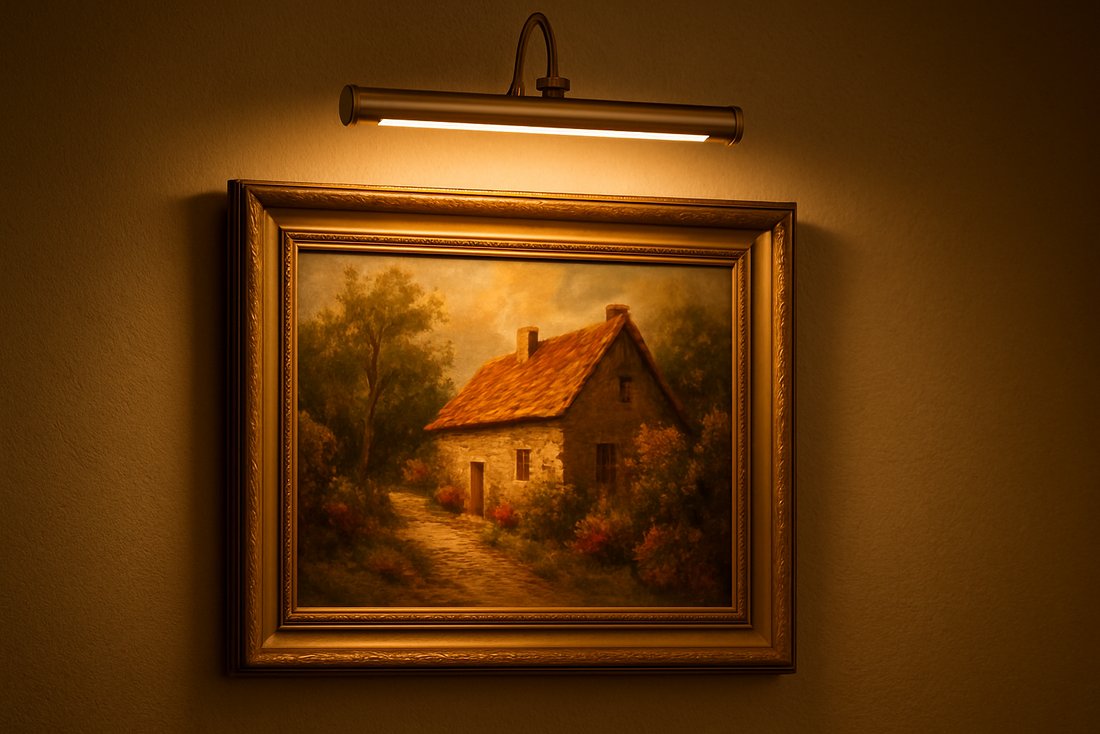
Paintings, prints, and photographs are vulnerable to three main enemies: ultraviolet radiation, excess heat, and uneven illumination. A traditional halogen picture light produces a warm glow, but it also generates concentrated heat and emits UV that fades pigments. Fluorescent tubes add even more UV. Modern artwork LED lighting solves these problems by eliminating nearly all ultraviolet output, producing minimal infrared heat, and offering high Color Rendering Index values that bring out every subtle tone exactly as the artist intended. Switching to LEDs lets collectors enjoy brilliant, accurate light without accelerating deterioration.
Choose High-CRI LEDs for Accurate Color
CRI measures how faithfully a light source renders color compared with natural daylight. Aim for CRI 90 or higher when illuminating fine art. An LED strip or spotlight rated CRI 97 will reveal delicate glazes, layered brushstrokes, and shadow detail that lower-CRI bulbs can muddy. If a specification sheet includes R9 and R12 values, check those too. They focus on strong reds and blues, hues that fade first in poor light. High R9 keeps crimson fabrics vibrant while high R12 keeps deep marine blues rich and clear.
Match Kelvin Temperature to the Work
Color temperature shapes mood and affects perceived contrast. Classical oil paintings often look best under a warmer white around 2700 to 3000 Kelvin because it mimics candlelight and traditional gallery halogen lamps without the damaging heat. Contemporary acrylics and bright photographs pop under a neutral 3500 to 4000 Kelvin LED that adds crispness without looking clinical. Pick one temperature for a room and stick with it. Mixing warm and cool lights in the same area shifts color balance and makes a collection look disjointed.
Beam Angle and Distance
Uneven lighting creates glare spots and dark bands that distract from a painting. For a single piece up to thirty inches wide, a twenty-five to thirty-five degree beam from a ceiling accent or wall-mounted picture light usually covers the canvas. Position the fixture so its beam strikes the artwork at about thirty degrees from vertical to minimize reflections on glass. Larger canvases need wider beams or multiple heads that overlap slightly. Linear LED wall-wash bars give seamless coverage on murals or salon walls. Test with general room lights off to confirm there are no hot spots or shadows before finalizing placement.
Keep Surface Heat Low
Although LEDs run cooler than halogens, an enclosed fixture positioned too close can still build heat over time. Choose metal housings with rear vents and maintain at least eight inches of space between the light source and the artwork. For recessed ceiling spots, double-check that the beam lands on the artwork and not through a glass diffuser that might trap heat. Lower operating temperatures slow down pigment breakdown and preserve delicate varnishes.
Block Ultraviolet at the Source and the Frame
Quality LEDs emit almost no UV, yet daylight from nearby windows can still reach the artwork. Protect valuable pieces by adding UV-blocking glass or acrylic that filters wavelengths below 380 nanometers. For glossy photographs, add a slim spacer so the print does not press against the glazing where moisture could form. This combination of UV-safe LED light and protective glazing creates a museum-grade barrier that keeps colors vibrant for decades.
Choosing the Right Fixture
The right hardware is as important as the right bulb. A slim LED picture light mounts directly above smaller frames and casts an even sheet of illumination. Many designs pivot so you can perfect the aim without repositioning the bracket. For galleries that rotate exhibitions or have larger canvases, track-mounted LED accents give maximum flexibility because heads slide along the rail and lock in place. If you need seamless coverage for a wide wall or a mural, a linear wall wash bar is ideal. Mounted on a ceiling or high wall, it bathes the surface in uniform brightness and is available in fixed or tunable white. For minimalist interiors, a recessed gimbal LED hides hardware entirely; only a subtle trim ring is visible while the internal lamp tilts and turns to highlight the work. Most of these fixtures are dimmable, allowing you to shift from daytime display to intimate evening ambience without noticeable color shift.
Installing for Preservation and Impact
After selecting a fixture, aim for both visual clarity and long-term protection. Verify that the CRI rating is at least 90 so skin tones, sky gradients, and fabric weaves remain true. Stay consistent with your chosen Kelvin temperature so the collection feels cohesive. Mount lights so the beam reaches the center of the artwork at roughly thirty degrees. This angle prevents glare on glass and reduces harsh shadow lines. When lighting a large piece, overlap beams just enough to remove dark margins but avoid creating a double bright stripe down the middle. Keep fixtures at least eight inches from the canvas or glass to minimize heat accumulation. Finish by adding UV-filter glazing or window film if the room has natural light. These steps ensure every brushstroke stays vivid while viewers see texture and color exactly as intended.
Need Guidance on Product Selection?
Whatwatt stocks museum-grade LED picture lights, track heads, and linear bars with CRI values up to 97. Our specialists can design a custom layout for homes, galleries, or retail displays. Email a photo with dimensions, and we will recommend the correct beam angle, fixture style, and dimmer compatibility. Call us today at 1-877-942-8928 You can also browse the Bulb Guide on our website to filter by CRI, Kelvin, and mount type.